



EECG Embarkation: Disentangling evolutionary and conservation genomics questions using ‘time series museomics’ in the California Channel Island deer mouse
About the Author Madeleine Becker (she/her) is a PhD candidate at the Smithsonian-Mason School of Conservation , George Mason University, and a...
EECG Embarkation: Testing the conservation value of range-edge populations: local adaptation, genetic load, and inbreeding in wild lupine
About the Author Cameron So (he/him) is a PhD candidate in Profs. Anna Hargreaves and Daniel Schoen ’s labs in the Department of Biology at McGill...
EECG Extension: Returning to Curaçao during a coral bleaching event
About the Blog Author The Author. Photo credit: Rita Grunberg. Dr. Jennifer Hoey is an evolutionary ecologist and Postdoctoral Researcher in the...
Ne curiosity about effective population size?
About the authors: Miranda Wade received her B.S. in Biological Science from Colorado State University and her dual PhD in Integrative Biology and...
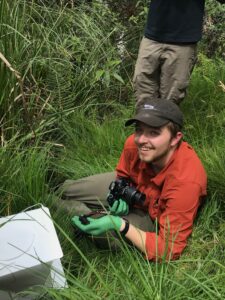
EECG Embarkation: Testing genomic mechanisms and consequences of species persistence in rediscovered amphibians
Kyle Jaynes holding a Jambato Harlequin frog ( Atelopus ignescens ) in the field in 2019 (credit: Sarah Fitzpatrick). About the author Kyle Jaynes...
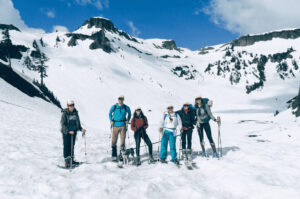
From the Field: Snow Algal Science
ABOUT THE BLOG AUTHORS: The Kodner Lab is an enigmatic group studying alpine snow algae in the Washington area. Dr. Robin Kodner, our intrepid...
EECG Embarkation: The ghost of oysters past – museomics of an extinct oyster population and the search for survivors
**The AGA grants EECG Research Awards each year to graduate students and post-doctoral researchers who are at a critical point in their research,...
EECG Embarkation: Do endangered and sick ducks have lower diversity in immune genes?
**The AGA grants EECG Research Awards each year to graduate students and post-doctoral researchers who are at a critical point in their research,...
Behind the Science: Lessons from lamprey
About the blog author: Allison K. Miller is a conservation biologist and PhD candidate in the Gemmell Lab at the University of Otago doing research...
Conference catch-up: Online genomics meetings in late 2021 by Biodiversity Genomics and GIGA
About the blog author: Dr. Jose (Joe) Lopez is a molecular biologist, professor at Nova Southeastern University and current AGA council member. He...
Conservation genetics training in a virtual world: a reflection on ConGen 2021
About the blog authors: Annie Guillaume is a PhD candidate working in the Laboratory of Geographic Information Systems ( LASIG ) at the École...
Symposium Snippets: Ms. Mason Goes to Snowbird: An Undergraduate’s First Symposium
About the Blog Author: Noelle Mason is an undergraduate at Colorado State University studying biology and conservation. She works with Dr. Kristen...
Symposium Snippets: Your favorite conservation story
About the Blog Author: Dr. Jessica Judson is a postdoctoral researcher at Michigan State University working with Dr. Sarah Fitzpatrick. She recently...
EECG Embarkation: More than meets the rattle: What can sensory systems tell us about venom evolution?
**The AGA grants EECG Research Awards each year to graduate and post-doctoral researchers who are at a critical point in their research, where...
EECG Embarkation: Uncovering the sources of adaptive genetic variation in wild tomato
**The AGA grants EECG Research Awards each year to graduate and post-doctoral researchers who are at a critical point in their research, where...
EECG Embarkation: Listening to the Laupala
**The AGA grants EECG Research Awards each year to graduate and post-doctoral researchers who are at a critical point in their research, where...
EECG Embarkation: Seasonal variation in amphibian resistance to chytrid fungi – The project.
**The AGA grants EECG Research Awards each year to graduate and post-doctoral researchers who are at a critical point in their research, where...
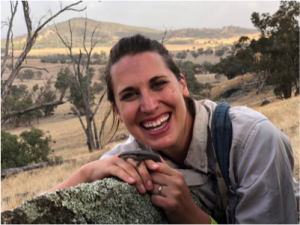
EECG Embarkation: Pairing Behaviour and Genetics to Uncover the Secret Social Lives of Lizards
**The AGA grants EECG Research Awards each year to graduate and post-doctoral researchers who are at a critical point in their research, where...

EECG Embarkation: Investigating the genomic architecture of speciation via reinforcement
**The AGA grants EECG Research Awards each year to graduate and post-doctoral researchers who are at a critical point in their research, where...
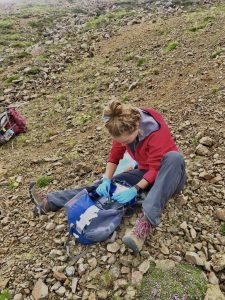
EECG Embarkation: High country viruses: landscape genomics and plant virus diversity in the Rocky Mountains
**The AGA grants EECG Research Awards each year to graduate and post-doctoral researchers who are at a critical point in their research, where...
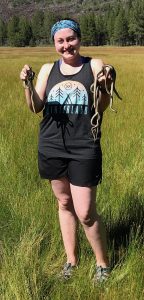
EECG Embarkation: The right pace of life: Understanding genomic underpinnings of life-history variation
**The AGA grants EECG Research Awards each year to graduate and post-doctoral researchers who are at a critical point in their research, where...
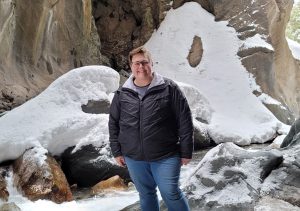
EECG Embarkation: a maternal brain—investigating neuroplasticity associated with cooperative behaviors in bumble bees
**The AGA grants EECG Research Awards each year to graduate and post-doctoral researchers who are at a critical point in their research, where...
EECG Embarkation: Going back in time—using population genomics to investigate demographics of a host shift in an invasive insect
**The AGA grants EECG Research Awards each year to graduate and post-doctoral researchers who are at a critical point in their research, where...
EECG Embarkation: Colors, hormones, and genes: How are genomic expression patterns altered to facilitate the evolution of color?
**The AGA grants EECG Research Awards each year to graduate and post-doctoral researchers who are at a critical point in their research, where...
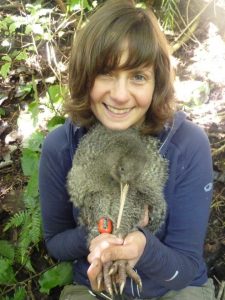
Bridging the conservation genetics gap to save Britain’s last wild-living felid
About the author: Dr Helen Taylor is a conservation geneticist who studied for her PhD in New Zealand, working on inbreeding in little spotted kiwi....
Bridge over troubled water: getting across the conservation genetics gap
About the author: Dr Helen Taylor is a conservation geneticist who studied for her PhD in New Zealand, working on inbreeding in little spotted kiwi....
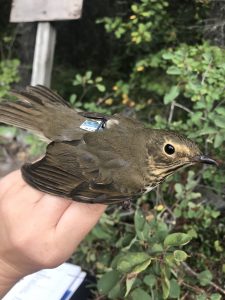
Studying the genetics of migration using hybrids from a migratory divide
Every spring, nature enthusiasts are excited for another bird migration made evident by the countless posts on social media noting rare warblers...
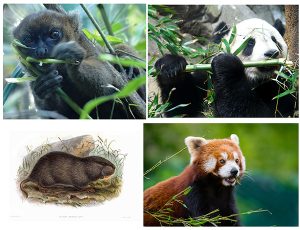
Surviving cyanide – one path or many?
Cyanide is deadly – to most things. In high enough doses it blocks the body’s ability to create energy by interrupting cellular respiration. But even...